How to Choose Safety Shoes: S1, S1P, S3 & the EN ISO 20345 Standard
What S1, S1P, S2, S3 and the SRC, HRO and WR symbols mean on EN ISO 20345 safety shoes, and how to choose for construction sites, factories and shipyards.

Avenix Team
· 6 min read
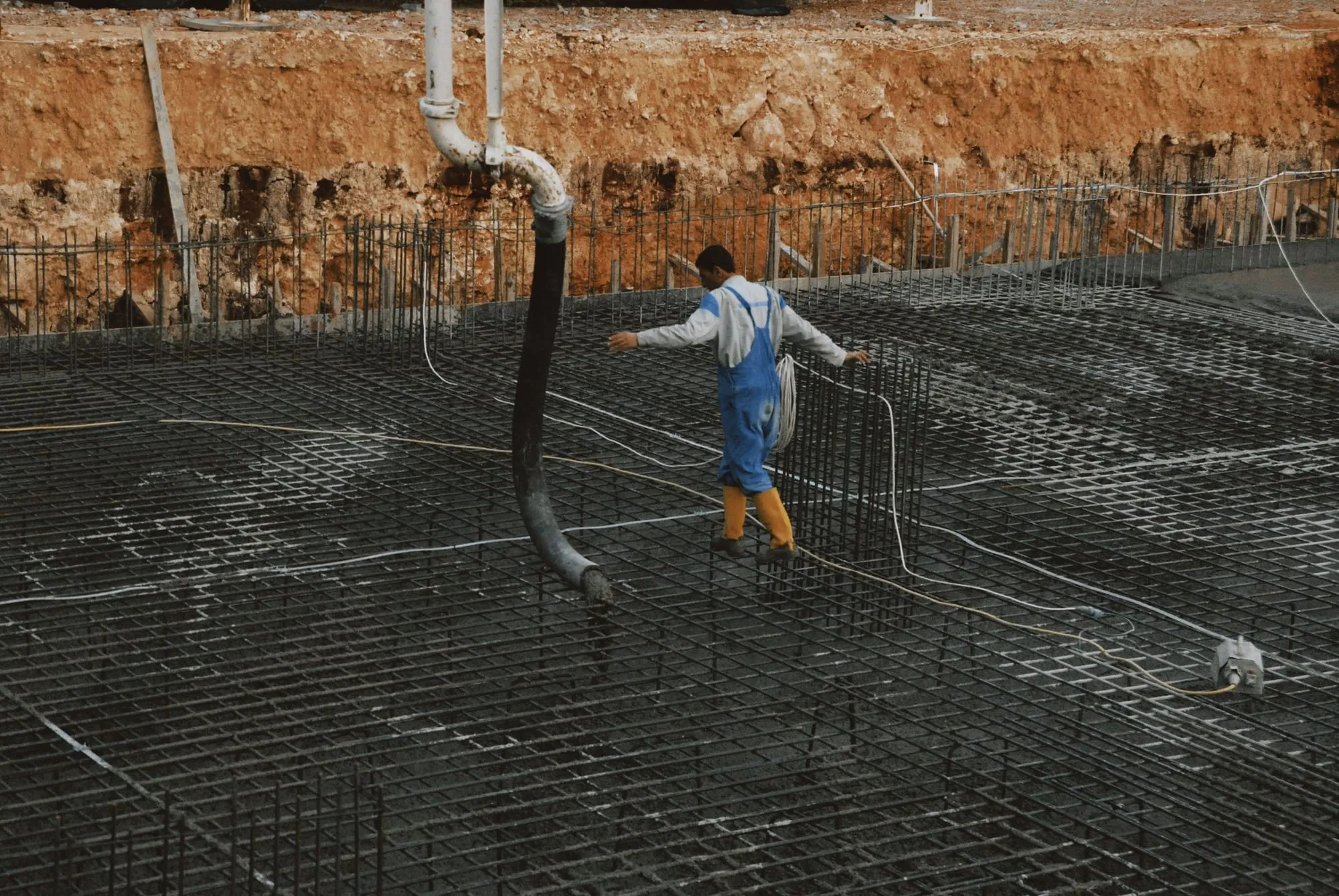 Ilustrasi
Summary
EN ISO 20345 safety shoes must have a toecap that withstands a 200 joule impact and 15 kN compression. S1 suits dry areas, S1P adds a puncture-resistant midsole, and S3 adds water resistance and a cleated outsole for construction sites and wet areas.
The right safety shoe is determined by the protection code on its label. The international standard EN ISO 20345 requires a toecap that withstands a 200 joule impact and 15 kN of compression. On top of that baseline, S1 suits dry areas, S1P adds a puncture-resistant midsole, and S3 adds water resistance and a cleated outsole for construction sites and wet areas.
This guide explains what each code means, the additional symbols you will often see on the label, and how to match shoes to the work area on construction sites, in factories and warehouses, and in shipyards.
What is the EN ISO 20345 standard?
EN ISO 20345 is the international standard for safety footwear, meaning shoes fitted with a toecap that protects the foot from impact and crushing. The current edition is EN ISO 20345:2022, which replaces the 2011 edition. Many shoes on the market still carry 2011 labels, and both are commonly found in the field.
Basic requirements for all safety footwear under this standard:
- Toecap withstands a 200 J impact and 15 kN compression.
- Sole passes the basic slip-resistance test.
- Materials and construction meet ergonomic and durability requirements.
Two other standards in the same family need to be distinguished:
| Standard | Footwear type | Toe protection |
|---|---|---|
| EN ISO 20345 | Safety footwear | 200 J impact |
| EN ISO 20346 | Protective footwear | 100 J impact |
| EN ISO 20347 | Occupational footwear | No toecap |
For work areas with a risk of falling objects or being run over, what you need is footwear with an S code under EN ISO 20345.
What SB, S1, S1P, S2 and S3 mean
The category code shows the combination of protection the shoe provides. Every code above SB includes all the features of the codes before it.
| Code | Protection | Suitable for |
|---|---|---|
| SB | Basic requirements: 200 J toecap | Dry, low-risk areas |
| S1 | SB + closed heel area, antistatic, heel energy absorption | Factories, warehouses and dry indoor areas |
| S1P | S1 + puncture-resistant midsole | Warehouses and workshops with a risk of nails or metal swarf |
| S2 | S1 + upper resistant to water penetration and absorption | Damp areas without a puncture risk |
| S3 | S2 + puncture resistance + cleated outsole | Construction sites, shipyards, outdoor and wet areas |
For seamless rubber or polymer boots, the standard uses codes S4 and S5. S5 is equivalent to S4 plus puncture resistance and a cleated outsole, so it is often used in very wet areas.
Changes in the 2022 edition
The 2022 edition distinguishes between types of puncture-resistant insert:
- P: metal insert, tested with a 4.5 mm diameter nail.
- PL: non-metallic insert, tested with a 4.5 mm nail.
- PS: non-metallic insert, tested with a smaller 3.0 mm nail.
As a result, labels on new shoes may read S1PS, S1PL, S3S or S3L. Non-metallic inserts are lighter and do not conduct cold or heat, while metal inserts generally give more consistent puncture resistance against small sharp objects.
Common additional symbols
Besides the category code, the label may list additional protection symbols:
| Symbol | Meaning |
|---|---|
| SRC | Slip-resistant on ceramic tile and steel floors (2011 edition marking) |
| SR | Additional slip resistance on ceramic tile with glycerine (2022 edition) |
| HRO | Sole resists contact heat up to 300 °C |
| HI | Heat insulation |
| CI | Cold insulation |
| WR | Whole shoe is water resistant |
| M | Metatarsal protection |
| A | Antistatic |
| C | Conductive |
| E | Heel energy absorption |
| FO | Fuel oil resistant sole |
Symbols such as HRO matter for welders and areas with hot surfaces, while SR or SRC are relevant for oily floors in workshops and on ship decks.
How to choose safety shoes for the work area
1. Identify the hazards
Start from the job risk assessment. Questions to answer:
- Is there a risk of falling objects or being run over? If so, the shoes must carry an S code.
- Are there nails, metal swarf or sharp objects on the floor? Choose S1P or S3.
- Is the work area wet, muddy or outdoors? Choose S3 or S5.
- Is the floor slippery from oil or water? Check for the SR or SRC symbol.
- Are there welding spatter or hot surfaces? Choose a sole with the HRO symbol.
2. Match the type of work
| Work area | Minimum recommendation |
|---|---|
| Construction and civil works | S3 with cleated outsole |
| Shipyards and welding | S3 + HRO, slip-resistant sole |
| Electronics factories and assembly lines | S1 or S1P, consider antistatic or ESD |
| Warehousing and logistics | S1P |
| Fabrication workshops | S1P or S3 + HRO |
| Very wet or muddy areas | S5 boots |
3. Check size and comfort
Safety shoes are worn for 8 hours or more a day. The wrong size makes workers reluctant to wear them. Keep the following in mind:
- Try shoes on in the afternoon, when feet are slightly swollen, with work socks.
- Toes must not press against the toecap.
- Ankle-high models give more support on uneven ground.
- Consider the weight. Composite toecaps and non-metallic puncture inserts make shoes lighter.
4. Read the label carefully
The safety shoe label is usually on the tongue or inside the shoe. It shows the standard number and edition, category code, additional symbols, size and manufacturer details. If the label does not state a standard, ask the supplier for certification documents.
Safety shoes and occupational safety regulations in Indonesia
Indonesian Minister of Manpower and Transmigration Regulation No. PER.08/MEN/VII/2010 on Personal Protective Equipment lists foot protection as one type of PPE. Employers must provide PPE to workers in the workplace according to the hazards present. The PPE provided must comply with the Indonesian National Standard (SNI) or other applicable standards, so EN ISO 20345 footwear is generally accepted on industrial projects. Specific requirements at your site still follow the occupational health and safety policy of your company and the project owner.
Care and when to replace
Safety shoes have a service life. Replace them immediately if:
- The toecap has taken a heavy impact or compression, even if no damage is visible.
- The sole is worn until the cleat pattern is gone, cracked or detached.
- The upper is torn so the toecap is exposed.
- The puncture-resistant insert has been pierced by a sharp object.
Clean shoes of mud and chemicals regularly, dry them in the shade (not near a heat source), and store them in a ventilated place.
Conclusion
For most construction and shipyard projects in Batam and Bintan, S3 is the safe choice because it combines a toecap, puncture resistance, water resistance and a cleated outsole. Dry indoor areas such as warehouses and factories are generally fine with S1P. Add the HRO symbol for welding work and SR/SRC for slippery floors.
Avenix supplies safety shoes from several brands, including King’s by Honeywell and Safety Jogger, for projects and industry in Batam and Bintan. Browse the options on the safety shoes page, or send your requirements, sizes and quantities through Request a Quote. Our team will help match the protection codes to your work areas.