Mandatory PPE Checklist for Construction & Shipyard Projects (Indonesia)
PPE types under Indonesian Permenakertrans PER.08/MEN/VII/2010 and the standards behind them (EN 166, EN 388, EN 361, EN ISO 20345) for construction and shipyards.

Avenix Team
· 6 min read
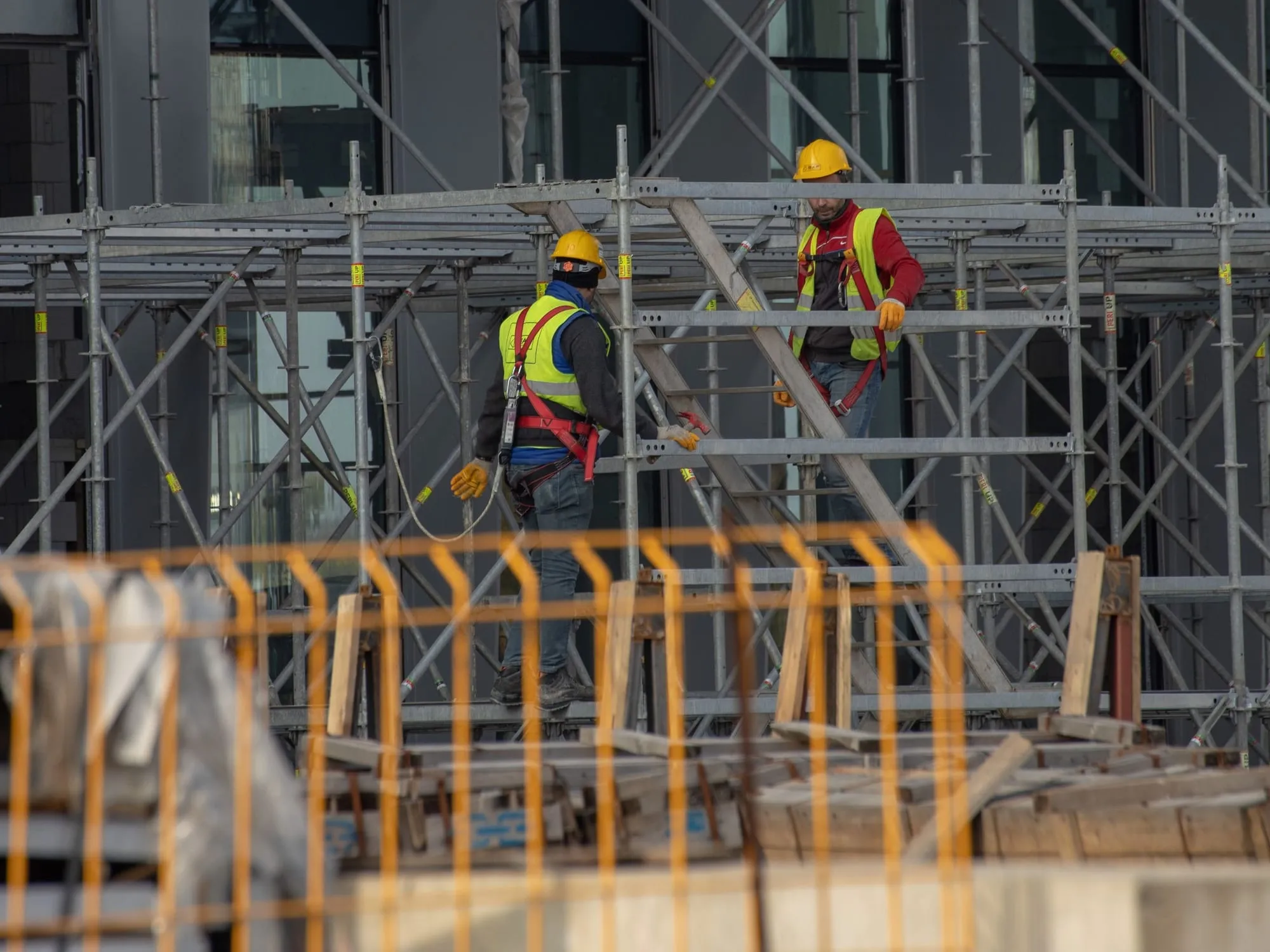 Ilustrasi
Summary
Indonesian Minister of Manpower and Transmigration Regulation (Permenakertrans) No. PER.08/MEN/VII/2010 defines nine types of PPE, from head protection to personal fall protection and buoyancy aids, and requires employers to provide them free of charge. On construction and shipyard projects, the minimum usually covers helmets, safety glasses, gloves, safety shoes, high-visibility workwear and a harness for work at height.
Mandatory PPE in Indonesian workplaces is governed by Minister of Manpower and Transmigration Regulation (Permenakertrans) No. PER.08/MEN/VII/2010 on Personal Protective Equipment. The regulation defines nine types of PPE and requires employers to provide them free of charge. On construction and shipyard projects, the minimum usually covers helmets, safety glasses, gloves, safety shoes, high-visibility workwear, hearing protection and a full body harness for work at height.
This article summarises the legal basis, the PPE list by type, the reference standards commonly used, and checklists for construction and shipyard projects.
Legal basis for PPE in Indonesia
The main regulations used as a reference:
- Law No. 1 of 1970 on Occupational Safety (UU No. 1 Tahun 1970 tentang Keselamatan Kerja), the basis for OHS obligations in the workplace, including the provision of personal protective equipment.
- Permenakertrans No. PER.08/MEN/VII/2010 on Personal Protective Equipment, which sets out the types of PPE, employer obligations, and the selection, use, maintenance and disposal of PPE.
- Government Regulation (PP) No. 50 of 2012 on implementing the Occupational Safety and Health Management System (SMK3).
Key points of Permenakertrans PER.08/MEN/VII/2010:
- Employers must provide PPE to workers in the workplace.
- PPE must comply with the Indonesian National Standard (SNI) or applicable standards.
- PPE is provided to workers free of charge.
- Workers and anyone entering the workplace must wear PPE appropriate to the hazards and risks.
The nine types of PPE under Permenaker
| No. | PPE type | Examples |
|---|---|---|
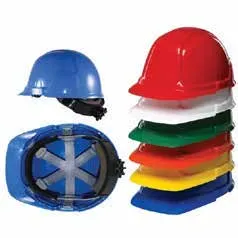
| 1 | Head protection | Safety helmets, bump caps |
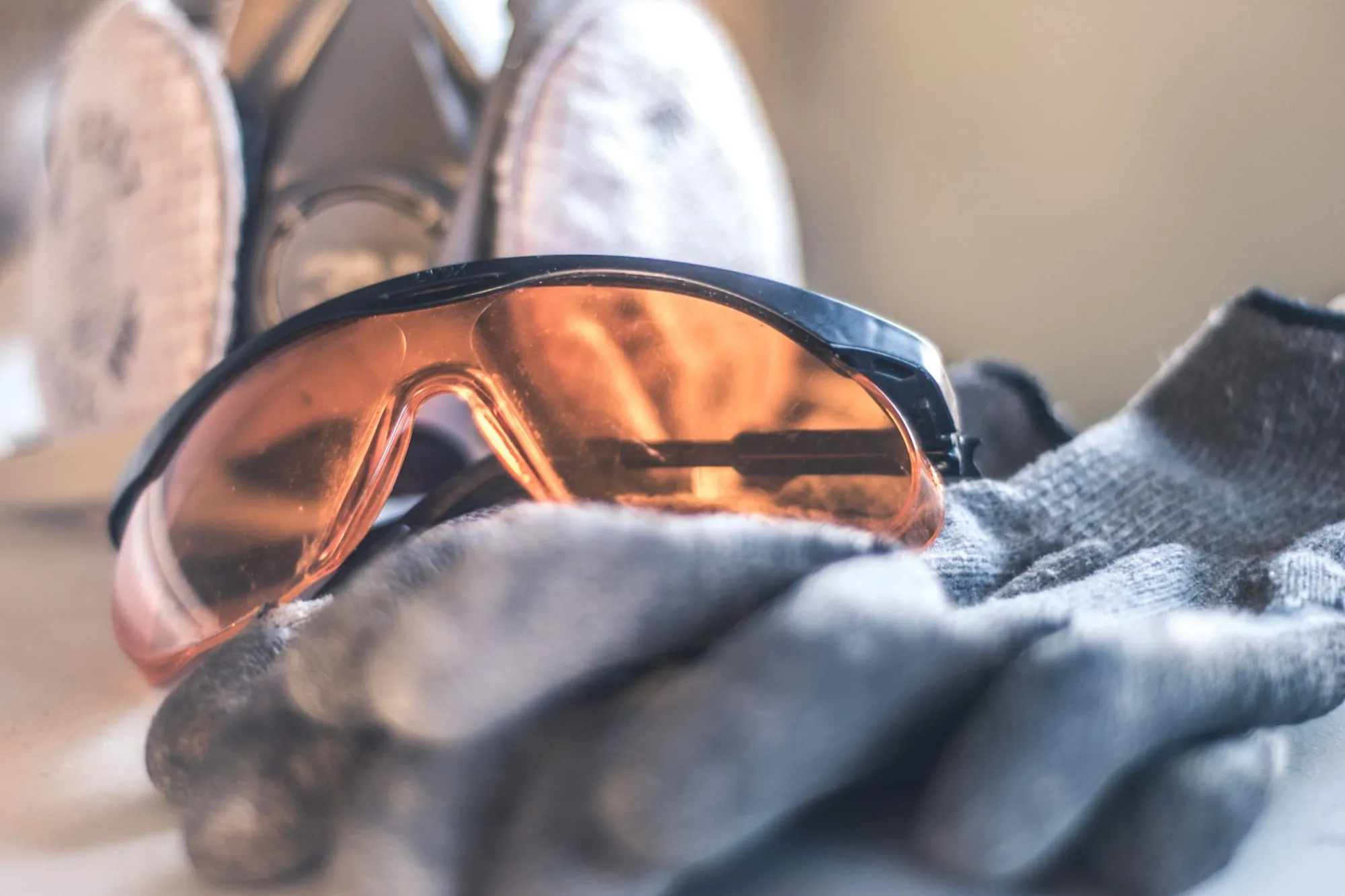
| 2 | Eye and face protection | Safety glasses, goggles, face shields, welding helmets |
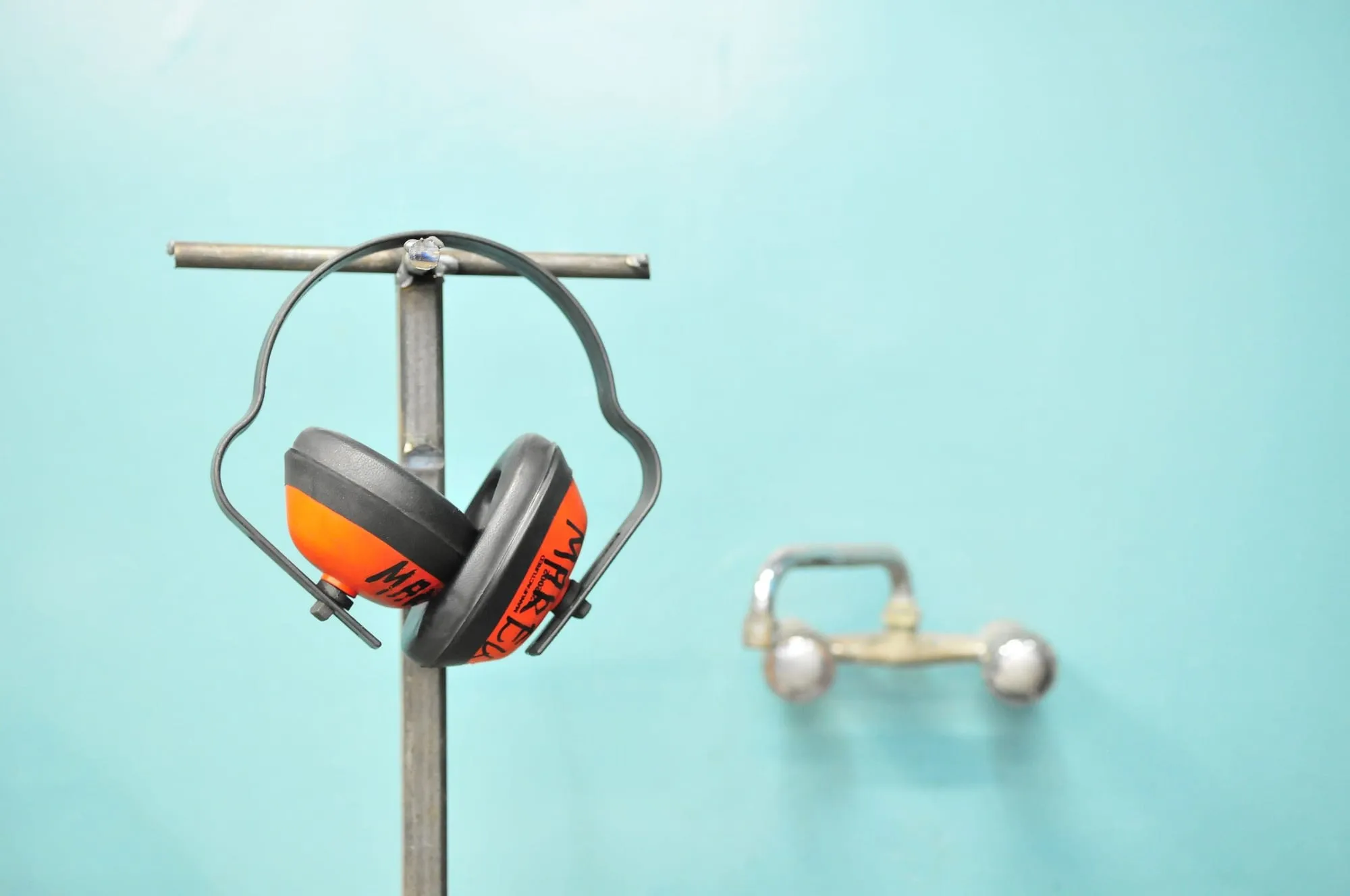
| 3 | Hearing protection | Ear plugs, ear muffs |
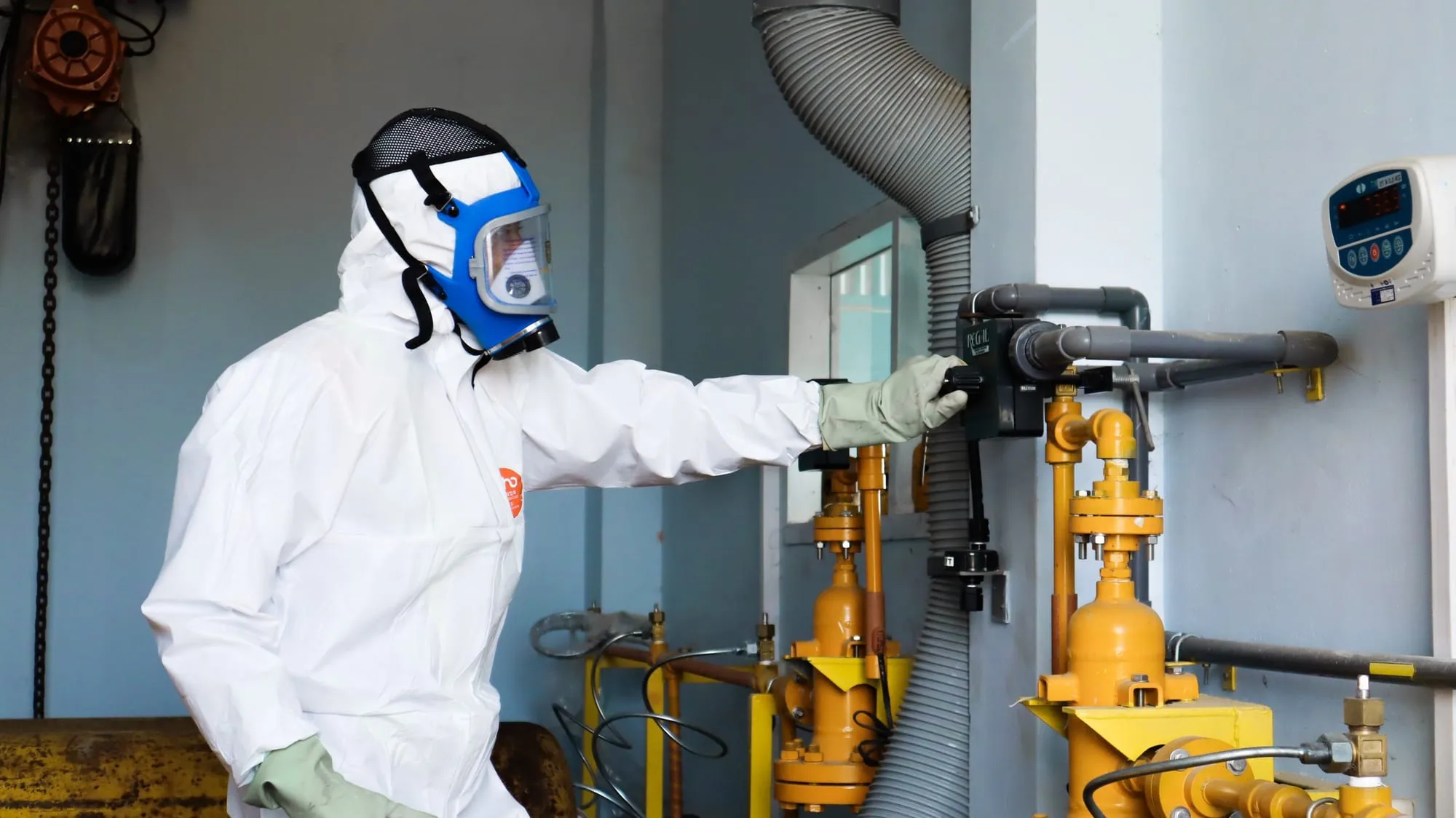
| 4 | Respiratory protection and accessories | Masks, respirators with filters or cartridges |
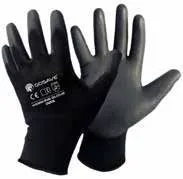
| 5 | Hand protection | Work gloves, welding gloves, cut-resistant gloves |
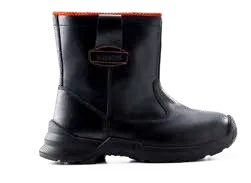
| 6 | Foot protection | Safety shoes, boots |
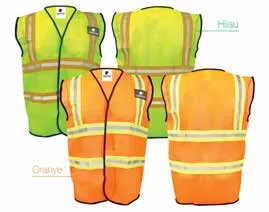
| 7 | Protective clothing | Coveralls, reflective vests, welding aprons |
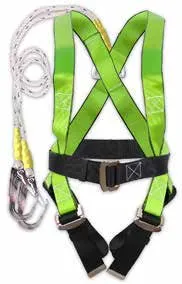
| 8 | Personal fall protection equipment | Full body harnesses, lanyards, fall arresters |
| 9 | Buoyancy aids | Life jackets, buoyancy vests |
The type and specification of PPE must be based on hazard identification and risk assessment for each task.
Reference standards for each type of PPE
The regulation does not specify technical standards for each item of PPE. On industrial projects, the following standards are commonly used as a reference:
| PPE type | Commonly used standards |
|---|---|
| Safety helmets | EN 397, ANSI/ISEA Z89.1 |
| Glasses and face protection | EN 166, ANSI/ISEA Z87.1 |
| Welding filters | EN 169, EN 379 (auto-darkening filters) |
| Hearing protection | EN 352 |
| Respirators | EN 149 (particle masks), EN 140 and EN 14387 (masks and gas filters) |
| Gloves | EN 388 (mechanical risks), EN 12477 (welding) |
| Safety shoes | EN ISO 20345 |
| High-visibility clothing | EN ISO 20471 |
| Fall protection | EN 361 (harnesses), EN 362 (connectors), EN 355 (energy absorbers), EN 360 (retractable) |
Reading the codes on PPE
- ANSI/ISEA Z89.1 helmets: Type I protects against impacts to the top of the head, Type II protects the top and sides. Class G is tested to 2,200 V, Class E to 20,000 V, and Class C provides no electrical protection.
- EN 166 eyewear: letters indicate impact resistance: S (increased robustness), F (low-energy impact, 45 m/s), B (medium energy, 120 m/s) and A (high energy, 190 m/s). The numbers 3, 4, 5, 8 and 9 indicate protection against liquids, large dust particles, gas and fine dust, electric arcs, and molten metal splashes.
- EN 388:2016 gloves: the first four digits indicate resistance to abrasion (0–4), coup test cut (0–5), tear (0–4) and puncture (0–4). The next letter (A–F) is TDM cut resistance, and the letter P indicates impact protection.
- EN ISO 20345 shoes: codes S1, S1P, S3 and so on indicate combinations of protection. See our safety shoes guide.
Construction project PPE checklist
| Task | Typical minimum PPE |
|---|---|
| All project areas | Helmet, S3 safety shoes, reflective vest, safety glasses |
| Concrete pouring and concrete work | Chemical-resistant gloves, boots, safety glasses |
| Work at height (scaffolding, roofs, steel structures) | EN 361 full body harness, lanyard with EN 355 energy absorber, EN 362 connectors |
| Grinding and cutting | Face shield over safety glasses, gloves, hearing protection |
| Welding | Welding helmet, welding gloves, welding apron or jacket, respirator |
| Heavy equipment and noisy areas | Hearing protection, reflective vest |
| Dusty work (demolition, concrete cutting) | Particle respirator |
Shipyard PPE checklist
Shipyards combine many hazards: welding, grinding, work at height, confined spaces, noise, painting and work near water.
| Task | Typical PPE |
|---|---|
| Welding and plate cutting | Welding helmet with a filter suited to the current, EN 12477 welding gloves, leather jacket or apron, welding fume respirator, S3 shoes with HRO sole |
| Grinding and blasting | Face shield, safety glasses, hearing protection, respirator, protective clothing |
| Work on hull and deck | Full body harness, lanyard, helmet with chin strap |
| Confined spaces (tanks, double bottom) | PPE as specified in the work permit, respirator or breathing apparatus based on gas test results |
| Painting | Respirator with organic vapour cartridges, coveralls, chemical-resistant gloves, goggles |
| Work near or over water | Buoyancy vest or life jacket |
For confined space work, PPE is only one part of the safety system. Work permits, gas testing, ventilation and a standby attendant are still required.
Selecting, maintaining and replacing PPE
The Permenaker regulation also covers PPE management. Recommended practice:
- Select according to the hazard. The wrong PPE is as risky as no PPE.
- Make sure it fits. Helmets, harnesses, gloves and shoes that do not fit tend to be taken off by workers.
- Train the wearers. Especially for harnesses and respirators, which need correct donning and fit testing.
- Inspect before use. Look for cracks in helmets, damaged stitching on harnesses and saturated filters.
- Replace based on condition. A harness that has arrested a fall must be withdrawn from use. A helmet that has taken a heavy impact must be replaced.
- Store correctly. Keep away from heat, direct sunlight and chemicals.
Conclusion
Permenakertrans No. PER.08/MEN/VII/2010 defines nine types of PPE and requires employers to provide them to workers at no cost. On construction and shipyard projects, the basic kit is a helmet, safety glasses, gloves, safety shoes and a reflective vest, plus a harness, welding protection, hearing protection, respirators and buoyancy aids depending on the task. Use standards such as EN 166, EN 388, EN 361 and EN ISO 20345 to make sure the specification is right.
Avenix supplies head-to-toe PPE, including Delta Plus, GoSave, NSA, King’s by Honeywell and Safety Jogger products, for projects and industry in Batam and Bintan. Browse the personal protective equipment category, or send your PPE list and headcount via Request a Quote.