Marine Fuel Types: HSD, MGO, Pertadex & VLSFO Compared
Guide to marine fuels in Indonesian waters: HSD and B-blends, FAME-free MGO, Pertadex, VLSFO and MDO, IMO 2020 sulphur rules, bunkering methods and requests.

Avenix Team
· 7 min read
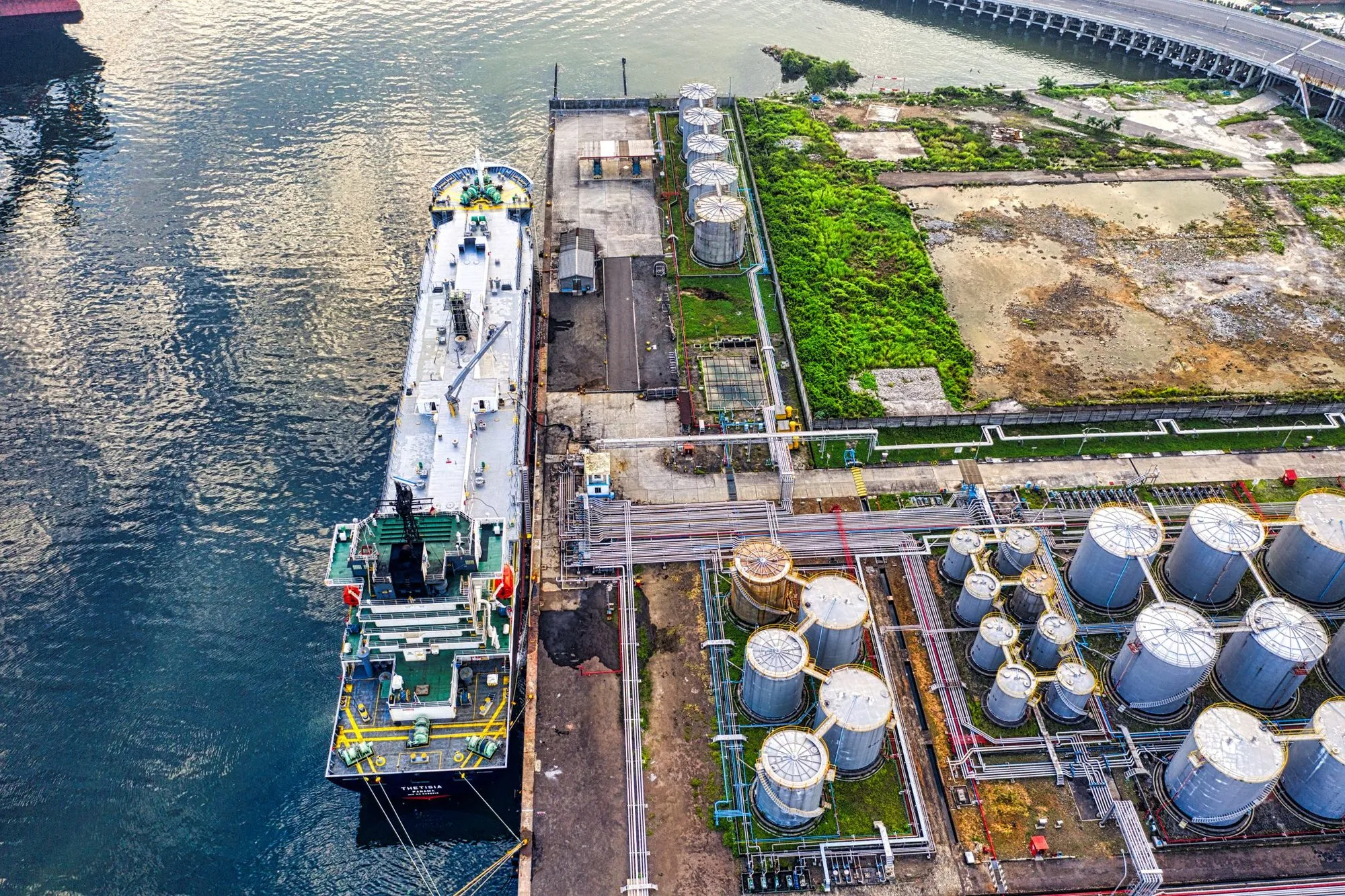 Ilustrasi
Summary
Vessels in Indonesian waters mainly run on distillate fuels (HSD, MGO, MDO, Pertadex) or residual-based VLSFO. HSD is road and industrial diesel, sold with a biodiesel blend level such as B0 or B40. MGO is a marine distillate; FAME-free MGO suits engines and tanks that should avoid biodiesel. VLSFO is a residual-based fuel with no more than 0.50% sulphur under IMO 2020. Choose by engine maker guidance, sulphur rules and how long the fuel will be stored.
The right marine fuel depends on your engine, the sulphur rules where you sail, and how long the fuel will sit in your tanks. In Indonesian waters, most vessels use a distillate fuel such as HSD, MGO, MDO or Pertadex, or a residual-based VLSFO. Small and medium vessels with high-speed engines usually run on HSD or MGO. Larger ships with residual-capable engines often use VLSFO for main engines and MGO for auxiliaries or emission control areas.
This guide explains each fuel type, compares them in one table, and lists what to check before you order a bunker.
Distillate vs residual fuel
Marine fuels fall into two broad groups:
- Distillate fuels are refined from the lighter fractions of crude oil. They are clean and thin. They need little or no heating. HSD, MGO, MDO and Pertadex are distillates.
- Residual fuels are based on the heavier fractions left after distillation. They are thicker. They usually need heating, settling and purification on board. VLSFO and traditional heavy fuel oil (HFO) are residual-based.
The international standard for marine fuels is ISO 8217. It sets grades for both groups. Distillate grades start with DM (for example DMA and DMB). Residual grades start with RM.
HSD (high speed diesel)
HSD is the diesel sold in Indonesia for vehicles, heavy equipment, generators and industry. For vessels and industrial users, the relevant product is non-subsidised HSD (HSD Non-Sub). Subsidised diesel is meant for specific consumer groups, not for commercial fleets.
Indonesian HSD is usually blended with biodiesel. The blend level is shown with a “B” number:
| Designation | Meaning |
|---|---|
| B0 | Pure petroleum diesel, no biodiesel |
| B30 | 30% biodiesel, 70% petroleum diesel |
| B40 | 40% biodiesel, 60% petroleum diesel |
| B50 | 50% biodiesel, 50% petroleum diesel |
The biodiesel part is FAME (fatty acid methyl ester), made from vegetable oils such as palm oil. HSD suits tugboats, crew boats, barges with generators and other vessels with high-speed diesel engines. Check that your engine maker approves the blend level you order.
MGO (marine gas oil)
MGO is a distillate marine fuel made to marine specifications, typically ISO 8217 grade DMA. It is clear, thin and easy to handle. It needs no heating. Many ships use it for auxiliary engines, generators and boilers. Ships that must meet the 0.10% sulphur limit inside emission control areas often switch to low-sulphur MGO there.
Why “FAME-free” matters
FAME-free MGO contains no biodiesel. This matters for three reasons:
- Storage stability. FAME absorbs water more easily than petroleum diesel. Fuel that sits in tanks for weeks can degrade.
- Microbial growth. Water and FAME together can feed bacteria and fungi (“diesel bug”). This forms sludge and slime at the tank bottom.
- Filters and injectors. Sludge and degraded fuel can clog filters and foul injectors.
For these reasons, ISO 8217 sets a strict limit on FAME in its standard distillate grades (DMA, DMZ, DMB) and defines separate grades for distillates that contain FAME. Some engine makers also set their own FAME limits. If your vessel stores fuel for long periods, or your engine maker restricts FAME, ask for FAME-free MGO.
Pertadex
Pertadex is a higher-grade diesel product from Pertamina, positioned above standard HSD. Operators choose it when they want a premium diesel from Indonesia’s national oil company for engines that call for better fuel quality. Ask for the current product specification sheet before ordering, and confirm with your engine maker that it suits your engine.
VLSFO (very low sulphur fuel oil)
Under MARPOL Annex VI, the IMO 2020 global sulphur cap limits sulphur in marine fuel to 0.50% by mass outside emission control areas (ECAs). Inside ECAs the limit is 0.10%. Ships without an exhaust gas cleaning system (scrubber) must use compliant fuel.
VLSFO is the most common fuel made to meet the 0.50% limit. It is usually residual-based or a blend of residual and distillate components. Keep these points in mind:
- It usually needs heating for storage and transfer, and purification before the engine.
- Properties can vary between batches and suppliers.
- Mixing two different VLSFO batches in one tank can cause compatibility problems, such as sludge. Keep new deliveries separate where possible.
VLSFO suits larger vessels with engines and fuel systems designed for residual fuel, such as bulk carriers, tankers and container ships.
MDO (marine diesel oil)
MDO is a heavier distillate marine fuel, typically ISO 8217 grade DMB. It may contain a small amount of residual components. It sits between MGO and residual fuel in viscosity. Some older or medium-speed engines use it.
Comparison table
| Fuel | Category | Typical users | Notes |
|---|---|---|---|
| HSD Non-Sub (B0–B50) | Distillate | Tugboats, crew boats, small craft, generators, heavy equipment | Biodiesel content shown by B number; check engine approval for the blend |
| MGO (FAME-free) | Distillate | Auxiliary engines, generators, ships in ECAs, vessels with long fuel storage | No biodiesel; no heating needed; good storage stability |
| Pertadex | Distillate | Engines that call for higher-grade diesel | Premium diesel from Pertamina; request the current spec sheet |
| MDO | Distillate (heavier) | Some medium-speed and older engines | May contain small residual content |
| VLSFO | Residual-based | Bulk carriers, tankers, container ships with residual-capable engines | Max 0.50% sulphur; needs heating and purification; watch batch compatibility |
How to choose a marine fuel
- Follow the engine maker. The engine manual states the approved fuel grades, viscosity range and any FAME limit. This is the first rule.
- Check the sulphur rules. Outside ECAs, fuel must not exceed 0.50% sulphur unless you have an approved scrubber. Inside ECAs, the limit is 0.10%. Also follow any local port rules.
- Think about storage. If fuel will stay in tanks for a long time, a FAME-free distillate is safer. Drain water from tanks regularly.
- Check your fuel system. Residual-based fuel needs tank heating and a purifier. Without them, stay with distillates.
- Avoid mixing. Do not mix different fuel types or batches in the same tank unless compatibility is confirmed.
- Keep records. Under MARPOL Annex VI, every bunker delivery comes with a bunker delivery note (BDN) and a representative fuel sample. Keep both on board.
Bunkering methods
There are three common ways to deliver fuel to a vessel:
- Ship-to-ship (STS): a bunker vessel or tanker comes alongside and transfers fuel. Common at anchorage, where the vessel does not need a berth.
- Port bunkering: fuel is delivered alongside a terminal, jetty or designated fueling facility.
- Offshore bunkering support: fuel is delivered to vessels or units at oil and gas fields, offshore construction sites or remote locations.
The right method depends on the vessel’s location, schedule, quantity and the rules of the port or field.
What a bunker request needs
Send this information with every bunker request. It helps the supplier confirm availability and plan the delivery faster:
| Item | Example |
|---|---|
| Vessel name | Name as registered |
| IMO number | 7-digit IMO number, if the vessel has one |
| Location | Port and berth, anchorage area, or offshore position |
| ETA / required date | Arrival date and time, or the date fuel is needed |
| Fuel type | HSD (with B level), MGO, Pertadex, VLSFO or MDO |
| Quantity | In litres, kilolitres or metric tonnes |
| Delivery method | STS, port or offshore |
| Other requirements | Specification, sampling or documents required by the operator |
How Avenix Basuja Marine can help
Avenix Basuja Marine (BSJ) is the marine line of PT Avenix Ventura Indonesia, based in Batam with a network in Jakarta and Surabaya. BSJ arranges marine fuel supply of non-subsidised HSD (B0–B50), FAME-free MGO, Pertadex and VLSFO. MDO and marine lubricants are available on request. Delivery methods are ship-to-ship, port bunkering and offshore bunkering support.
See the bunkering service page for details, or send your vessel name, location, ETA, fuel and quantity through the bunker request form. The form opens a formatted message in WhatsApp for the BSJ team.