Vessel Charter Types: Time, Voyage, Bareboat & How to Choose
Guide to vessel charter types: time, voyage, bareboat, spot, project-based and long-term contracts, plus when to use tugboats, tug & barge, SPOB and bulk vessels.

Avenix Team
· 7 min read
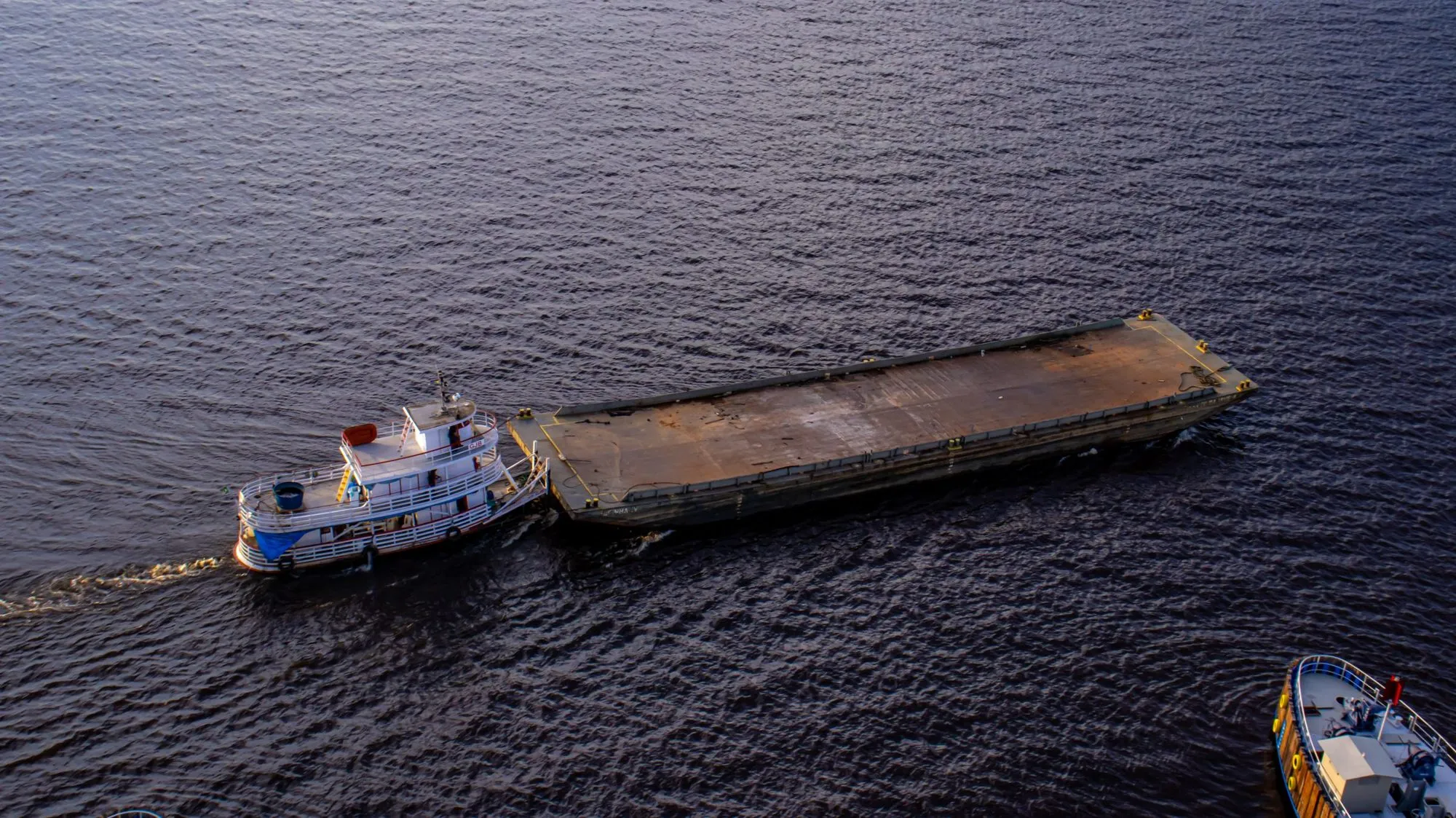 Ilustrasi
Summary
Choose a charter type by who should direct the vessel and who carries the costs. Time charter: the owner supplies vessel and crew, the charterer directs its use and pays fuel and port costs. Voyage charter: the charterer pays freight for one voyage, the owner carries the running costs. Bareboat charter: the charterer takes over the vessel without crew and carries almost all costs. Spot, project-based and long-term contracts are commercial arrangements built on these basic forms.
A vessel charter type comes down to two questions: who directs the vessel, and who pays to run it. In a time charter, the charterer uses the vessel and its crew for a set period. In a voyage charter, the charterer pays freight for one voyage. In a bareboat charter, the charterer takes over the vessel without crew. Spot, project-based and long-term contracts are commercial arrangements built on these basic forms.
This guide is for project owners, logistics companies and offshore operators. It covers each charter type, a comparison table, the vessel types commonly chartered in Indonesian waters, and a checklist of what to prepare before you ask for a quote.
Key terms
- Owner: the party that owns or controls the vessel and lets it out.
- Charterer: the party that hires the vessel.
- Charter party: the charter contract between owner and charterer.
- Hire: payment for use of the vessel per day or per period (time and bareboat charters).
- Freight: payment per tonne or as a lump sum for carrying cargo on one voyage (voyage charters).
- Laycan: the date window in which the vessel must be ready at the load port.
- Laytime and demurrage: the time allowed for loading and discharging, and the compensation due when that time is exceeded.
Time charter
The vessel is hired for a set period, for example several weeks or months.
- Crew: supplied by the owner.
- Costs: the owner pays for the vessel and crew. The charterer usually pays fuel, port costs and cargo-related costs.
- Payment: hire per day or per period, usually paid in advance as the contract sets out.
- Control: the charterer decides where the vessel goes and what it carries, within the contract limits.
- Typical use: repeated vessel needs over a period, such as a tugboat supporting a project or regular transport runs.
Time charters usually include an off-hire clause. If the vessel cannot work because of a breakdown or crew shortage on the owner’s side, hire may stop for that time.
Voyage charter
The vessel is hired for one voyage from a load port to a discharge port.
- Crew: supplied by the owner.
- Costs: the owner usually pays fuel, vessel costs and port costs. Who pays for loading and discharging follows the contract terms.
- Payment: freight per tonne of cargo or a lump sum.
- Time: laytime is agreed in the contract. If it is exceeded, the charterer pays demurrage.
- Typical use: one-off cargo movements, such as project materials or bulk cargo.
A voyage charter suits you when you simply want the cargo delivered, without managing the vessel.
Bareboat (demise) charter
The vessel is hired without crew. The charterer takes over possession and operation of the vessel for the charter period.
- Crew: supplied by the charterer.
- Costs: the charterer pays almost all operating costs, including fuel, maintenance and port costs. Insurance and major repairs follow the contract.
- Payment: hire per period.
- Typical use: shipping companies or operators that already have crew, technical management and the permits to run a vessel.
A bareboat charter gives the most control, and also the most responsibility.
Spot charter
A spot charter is not a separate legal form. The term describes a short-term charter fixed at short notice, based on vessel availability and market conditions at the time. The contract is usually a voyage charter or a short time charter. It suits urgent needs and one-off shipments.
Project-based charter
The vessel is arranged around the scope and duration of one project, such as marine construction, offshore work or equipment mobilisation. The contract is often a time charter for the project period, sometimes covering several vessels. Vessel specifications, routes and schedules follow the project work plan.
Long-term contract
For needs that repeat over many months or years, a charter can be set up as a long-term contract. Common forms:
- Period time charter: one named vessel is hired on time charter terms for a long period.
- Contract of affreightment (COA): the owner commits to carry a stated quantity of cargo in several shipments over an agreed period. The owner chooses which vessels to use, and freight is paid per tonne. A COA fixes the cargo volume, not one particular vessel.
Long-term contracts give more certainty on vessel availability and cost planning.
Comparison table
| Type | Crew | Fuel & port costs | Payment | Typical use |
|---|---|---|---|---|
| Time charter | Owner | Charterer | Hire per day/period | Repeated needs over a period |
| Voyage charter | Owner | Owner (usually) | Freight per tonne/lump sum | One cargo voyage |
| Bareboat charter | Charterer | Charterer | Hire per period | Charterers able to operate the vessel |
| Spot charter | Owner | Per contract form | Per contract form | Urgent, one-off shipments |
| Project-based | Usually owner | Per contract | Usually hire | Marine construction, offshore, mobilisation |
| Long-term contract | Usually owner | Per contract form | Hire or freight per tonne | Regular volumes over months |
The cost split in the table is the general pattern. The terms that apply are always those written in the charter party.
Vessel types commonly chartered in Indonesian waters
Domestic sea transport between Indonesian ports follows the cabotage principle: as a general rule it must use Indonesian-flagged vessels. Check this early in your planning.
Tugboat
A small, powerful vessel for towing and pushing. Used to tow barges, assist vessels when berthing, move floating structures and support marine construction work. Usually hired on a time charter or project-based charter.
Tug & barge set
An unpowered barge towed by a tugboat. The deck is wide and flat. It suits dry bulk such as coal, sand, stone and aggregates, as well as heavy equipment and project cargo. It works well in shallow water and at sites without large wharves. It can be hired per voyage or per period.
SPOB (self-propelled oil barge)
A barge with its own engine and cargo tanks for fuel. Used to distribute fuel to vessels, island depots, mining sites or coastal projects. Because it carries fuel, pay attention to fuel type, quantity and safe transfer procedures.
Bulk vessel
A powered vessel with holds for large volumes of bulk cargo. It suits high-volume shipments between ports with adequate loading and discharging facilities. Usually hired on a voyage charter or a long-term contract.
| Need | Vessel commonly used |
|---|---|
| Towing, berthing, positioning | Tugboat |
| Coal, aggregates, heavy equipment, project cargo | Tug & barge set |
| Fuel distribution | SPOB |
| Large bulk volumes between ports | Bulk vessel |
Checklist before you request a charter
Prepare the following so a quote can be fast and accurate:
- Cargo: type (bulk, fuel, heavy equipment, materials), quantity or weight, and dimensions for project cargo.
- Route and ports: load and discharge ports or locations, including anchorage or offshore sites.
- Laycan or dates: the window in which the vessel must be ready.
- Duration: one voyage, several weeks, or the project period.
- Preferred charter type: time, voyage, bareboat, spot, project-based or long-term. If you are not sure, describe the need instead.
- Special requirements: water depth at site, loading facilities, cargo securing, or offshore support needs.
- Documents: company details, cargo documents, and any permits or project requirements that apply.
How BSJ helps
Avenix Basuja Marine (BSJ) arranges vessel chartering and rental through its network of vessel owners, operators and maritime partners. Vessel types: tugboats, barges or tug & barge sets, bulk vessels and SPOB. Charter options: time, voyage, bareboat, spot, project-based and long-term contracts.
BSJ is based in Batam, with a network in Jakarta and Surabaya. Send your requirements through the charter request form. A formatted message opens in WhatsApp.