Shipyard PPE Checklist: Daily Inspection by Work Area
Shipyard PPE checklist by area: welding, confined spaces, work at height, blasting and painting, work over water, with inspection and replacement criteria.

Avenix Team
· 5 min read
 Ilustrasi
Summary
Shipyards combine several serious hazards at once: welding and cutting, confined spaces, work at height, noise, paint chemicals and work over water. Use a basic PPE checklist for every worker, add area-specific PPE, and inspect every item before each shift against clear replacement criteria.
Shipyards need a PPE checklist split by work area, because one site combines welding, confined spaces, work at height, noise, chemicals and work over water. Start with basic PPE for every worker, add specific PPE for each area, then inspect PPE before every shift with clear replacement criteria.
This article complements our mandatory PPE checklist for construction and shipyards, which covers the legal basis and PPE standards. The focus here is a practical checklist you can print and use on site.
Relevant regulations
- Minister of Manpower and Transmigration Regulation No. PER.08/MEN/VII/2010 on Personal Protective Equipment: PPE types and the employer’s duty to provide them.
- Minister of Manpower Regulation No. 9 of 2016 on OSH for Work at Height.
- Minister of Manpower Regulation No. 5 of 2018 on OSH in the Work Environment, including a noise threshold limit value of 85 dBA for an 8-hour shift.
- Minister of Manpower Regulation No. 11 of 2023 on OSH in Confined Spaces.
Always also follow the HSE requirements of the vessel owner, the class society and the shipyard where you work.
Checklist 1: Basic PPE for every worker
| PPE | Check before shift | Replace if |
|---|---|---|
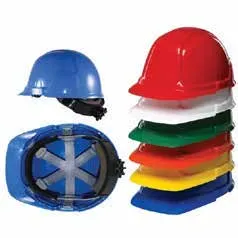
| Safety helmet | Shell intact, suspension and chin strap fitted, label legible | Cracked, heavily impacted, brittle or faded from heat, past manufacturer’s service life |
| Safety glasses | Lenses clean, not badly scratched, temples tight | Lens cracked or cloudy, temple broken |
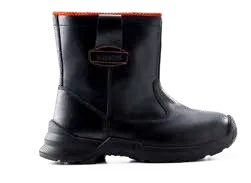
| Safety shoes | Sole not worn or peeling, toe cap not dented, stitching intact | Sole thin or slippery, toe cap exposed, leather torn |
| Work gloves | No holes, not stiff from oil or chemicals | Holed, torn or contaminated |
| Workwear / coveralls | Long sleeves, not torn, not oil-soaked | Torn, burnt or saturated with oil |
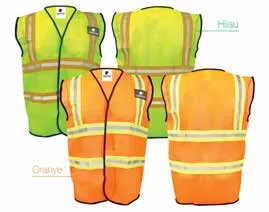
| High-visibility vest | Reflective tape clean and intact | Tape dull or peeling, vest torn |
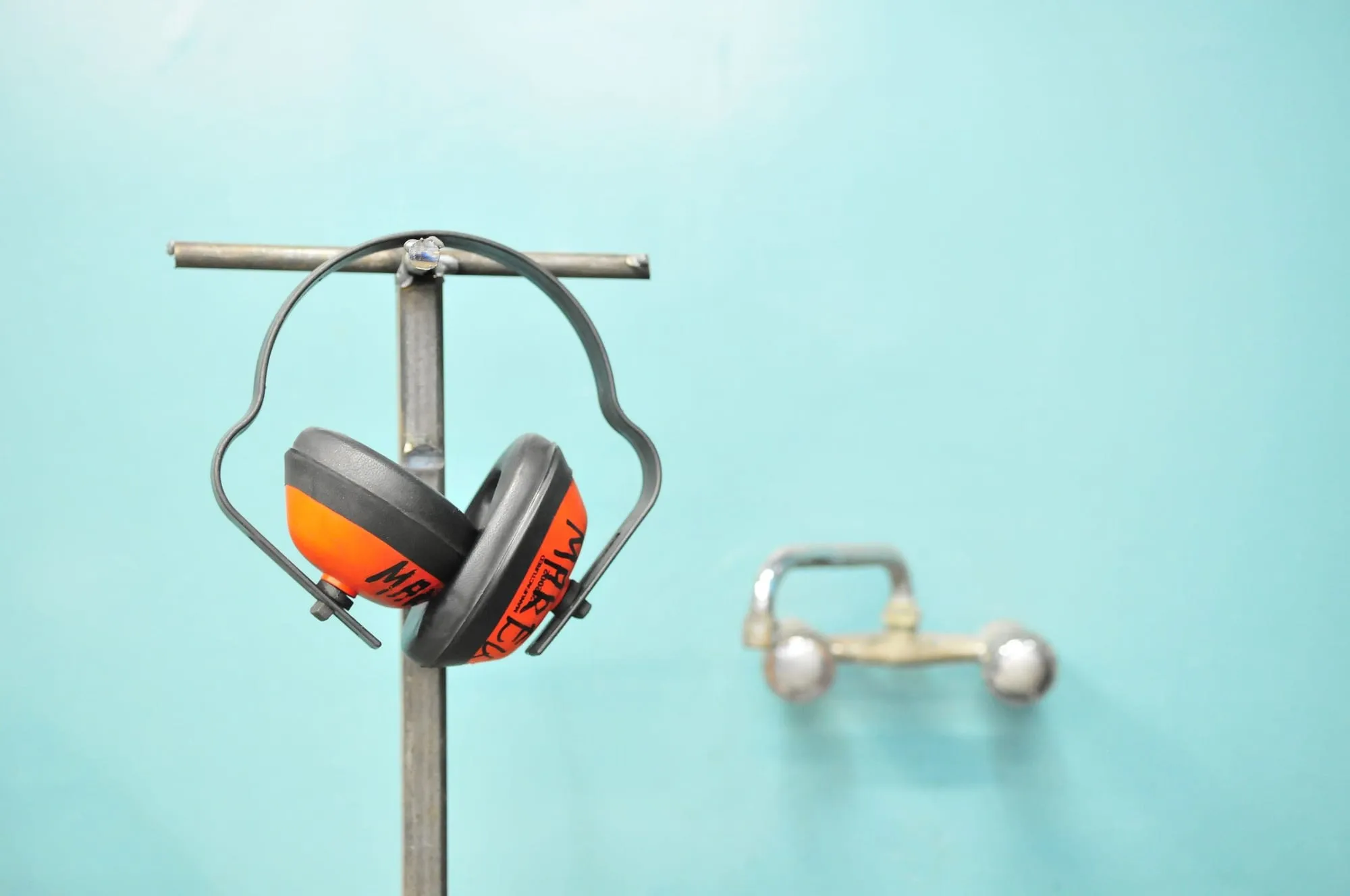
| Hearing protection | Earplugs clean, earmuff cushions supple | Earplugs dirty or hard, earmuff cushions cracked |
Checklist 2: Welding, cutting and grinding
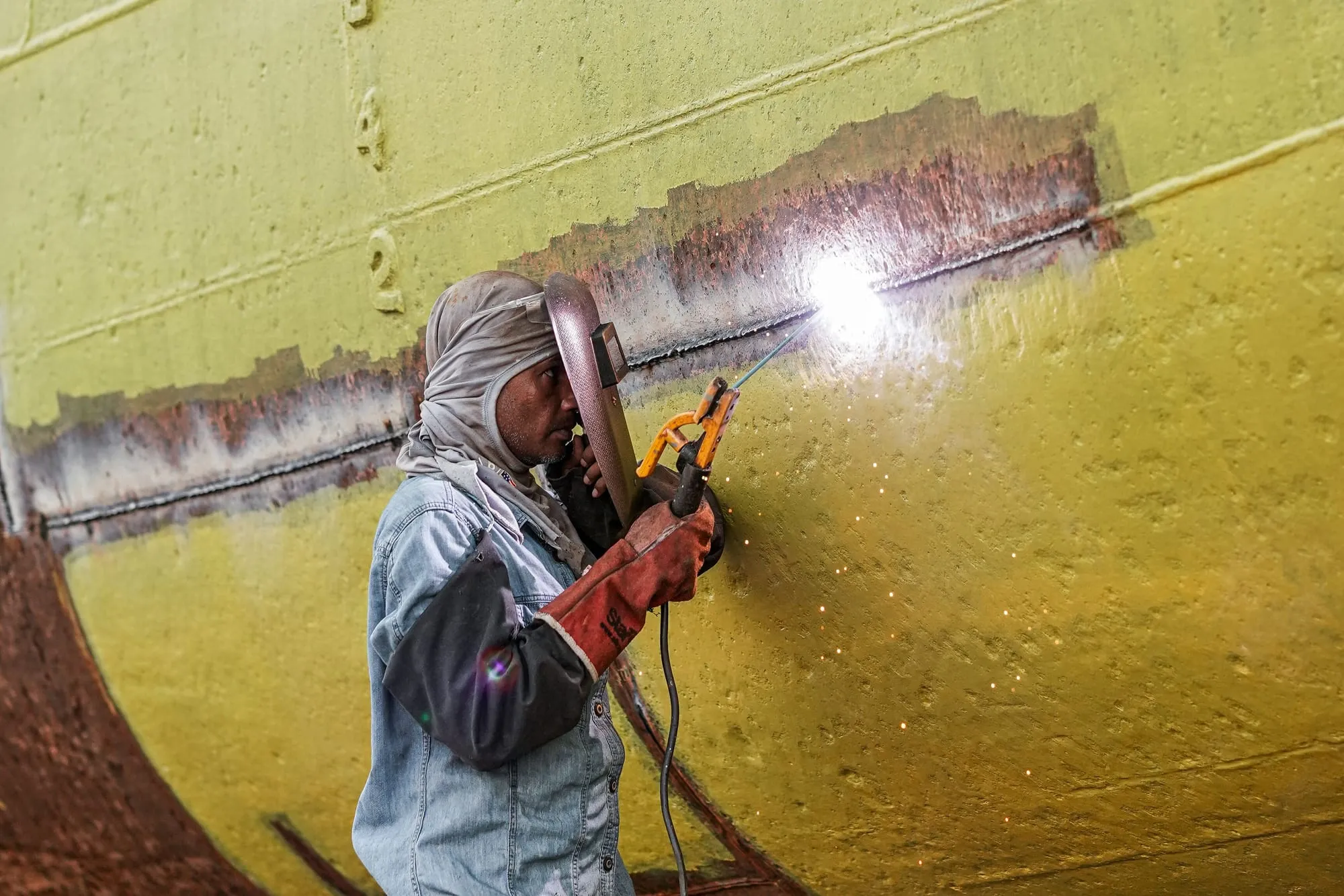
Hot work is the most common activity in a shipyard, from hull repairs to block fabrication.
- Welding mask or helmet with a filter matched to the process and welding current. For arc welding, filter shades are typically in the shade 9–13 range. Check the outer cover lens and the auto-darkening function.
- Face shield for grinding, worn over safety glasses.
- Leather welding gloves, for example to EN 12477, with no holes or loose stitching.
- Flame-resistant welding jacket, apron or coveralls, for example to EN ISO 11611. Avoid synthetic fabrics that melt.
- Respiratory protection against welding fumes, for example a half-mask respirator with P2 or P3 particle filters, or an FFP2/FFP3 mask. Use higher protection in enclosed spaces and on galvanized or painted material.
- Hearing protection when grinding and cutting.
- Safety shoes with heat-resistant soles, and trousers covering the boot tops so spatter cannot get in.
- Hot work permit, fire extinguisher and fire watch in place.
Checklist 3: Confined spaces (tanks, double bottoms, void spaces)
Confined spaces on ships, such as ballast tanks, fuel tanks, double bottoms and cofferdams, can contain oxygen deficiency, flammable gases or toxic gases.
- Confined space entry permit issued and air test results recorded.
- Gas detector (O₂, LEL, H₂S, CO) worn continuously, bump tested and fully charged.
- Full body harness with an attachment point for rescue retrieval.
- Respiratory protection matched to the risk assessment. Air-purifying respirators must not be used in oxygen-deficient atmospheres.
- Work lighting safe for areas with potential flammable gas.
- Attendant (standby person) outside, with communication and rescue equipment ready.
- Ventilation running throughout the job.
Checklist 4: Work at height and over the hull
Scaffolding along the hull, staging and work above the deck require fall protection.
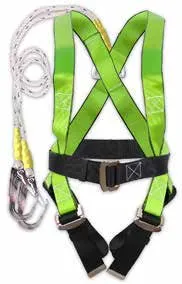
- EN 361 full body harness checked: label, webbing, stitching, buckles. See our EN 361 full body harness guide.
- Twin lanyard with energy absorber, or a retractable fall arrester, suited to the fall clearance.
- Strong, approved anchor, ideally overhead.
- Helmet with chin strap fastened so it cannot fall.
- Tool lanyards for tools used at height.
- Scaffolding inspected and tagged safe to use.
Checklist 5: Blasting and painting
- Blasting helmet with clean supplied air for abrasive blasting operators.
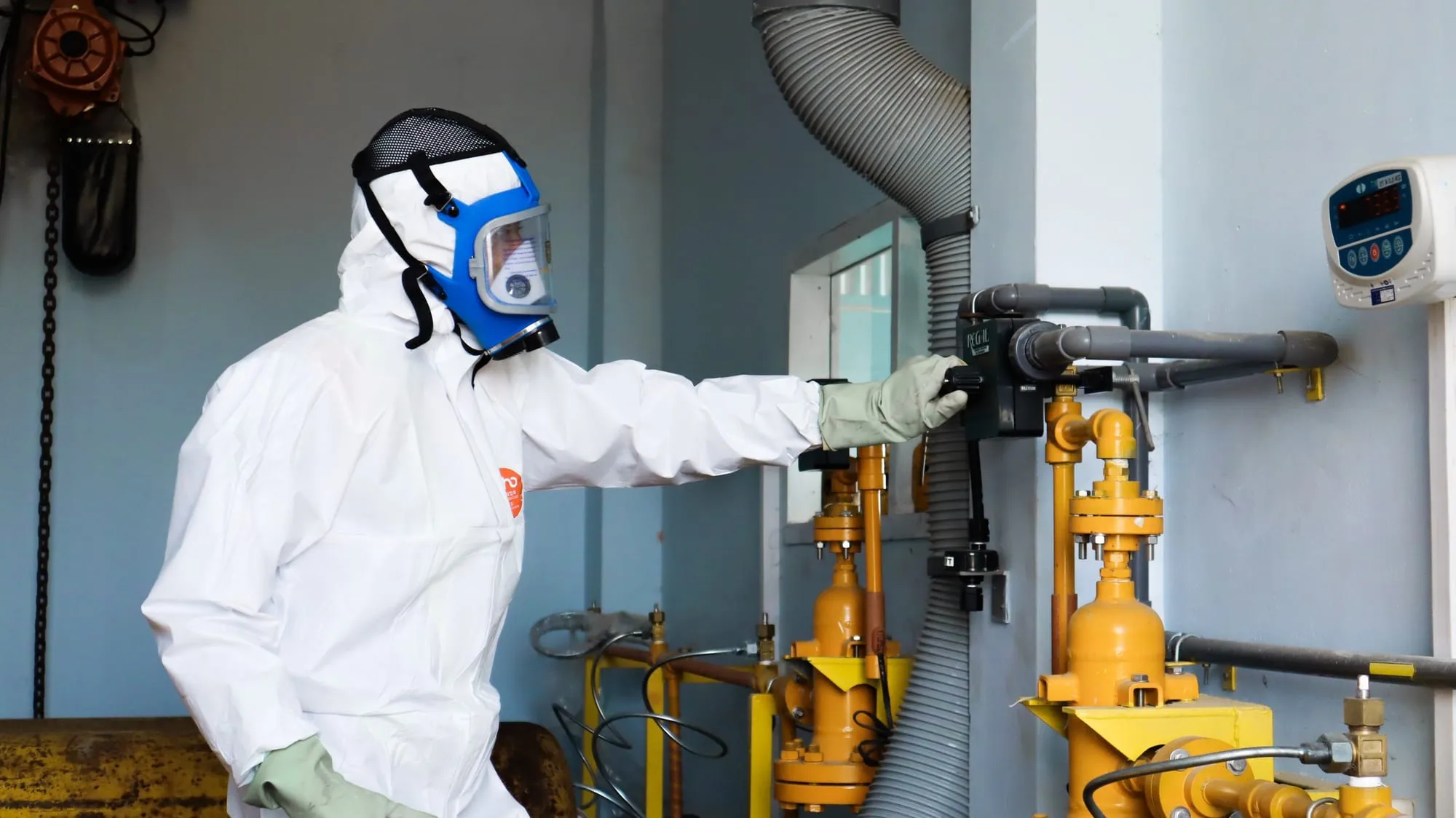
- Respirator with organic vapour and particle filters for spray painting, or supplied air in enclosed spaces.
- Disposable coveralls or chemical-resistant coveralls.
- Chemical-resistant gloves suited to the solvent, such as nitrile.
- Sealed goggles to protect eyes from paint mist.
- Hearing protection in blasting areas.
- Safety data sheets (SDS) for paints and solvents available on site.
Checklist 6: Work on or near water
- Life jacket or buoyancy vest worn when working at quay edges, on pontoons or floating docks.
- Lifebuoy with line available near the work area.
- Slip-resistant footwear, since decks and quays are often wet and oily.
Putting the checklist to work on site
- Print a checklist per area and post it at work stations or changing rooms.
- Self-check before each shift by every worker, followed by spot checks from supervisors.
- Keep spare PPE in the store, so damaged items can be replaced immediately rather than later.
- Record critical PPE by serial number, especially harnesses, gas detectors and respiratory equipment, with periodic inspection dates.
- Get the size right. PPE that does not fit tends to be taken off mid-job.
- Include subcontractors. Subcontractor workers must meet the same checklist before entering the yard.
Conclusion
An effective shipyard PPE checklist is split by work area and comes with clear replacement criteria. Basic PPE applies to every worker, while welding, confined spaces, work at height, blasting and work over water each need additional PPE and their own permits.
Avenix supplies complete PPE for shipyards in Batam and Bintan, from auto-darkening welding helmets and half-mask respirators to safety gloves, safety shoes and fall protection. See our shipbuilding industry page, use the PPE kit builder, or send your requirements and headcount via Request a Quote.