What Is APD? PPE Types and Functions Under Indonesian Rules
APD is Indonesia's term for PPE (Alat Pelindung Diri). The 9 PPE types under Permenakertrans PER.08/MEN/VII/2010, their functions, standards and how to choose.

Avenix Team
· 6 min read
Summary
APD stands for Alat Pelindung Diri, Indonesia's term for personal protective equipment (PPE): equipment that protects a person by isolating part or all of the body from workplace hazards. Permenakertrans No. PER.08/MEN/VII/2010 groups PPE into head, eye and face, hearing, respiratory, hand and foot protection, plus protective clothing, personal fall protection and buoyancy aids. Employers must provide PPE that meets SNI or applicable standards, free of charge.
APD stands for Alat Pelindung Diri, Indonesia’s term for personal protective equipment (PPE): equipment that protects workers by isolating part or all of the body from hazards at work. In Indonesia, PPE types and the duty to provide them are set out in Permenakertrans No. PER.08/MEN/VII/2010 on Personal Protective Equipment: employers must provide PPE that meets SNI or applicable standards, free of charge.
This article explains what APD means, the PPE types defined by the regulation with their functions and standards, the duties of employers and workers, and how to choose PPE by hazard.
What is APD: meaning and abbreviation
APD is short for Alat Pelindung Diri, known in English as personal protective equipment (PPE). Article 1 of Permenakertrans No. PER.08/MEN/VII/2010 defines it as equipment able to protect a person by isolating part or all of the body from potential hazards at the workplace.
PPE is part of a K3 (occupational safety and health) programme. Read what is K3 and its legal basis for the full regulatory picture.
PPE is the last line of protection
In the order of risk control, PPE comes last: after eliminating the hazard, substituting something safer, engineering controls (such as machine guards or ventilation) and administrative controls (procedures, permits, job rotation). The reason is simple: PPE only protects the person wearing it, and only when worn correctly. It remains mandatory, but it does not replace other controls.
PPE types under Permenakertrans PER.08/MEN/VII/2010
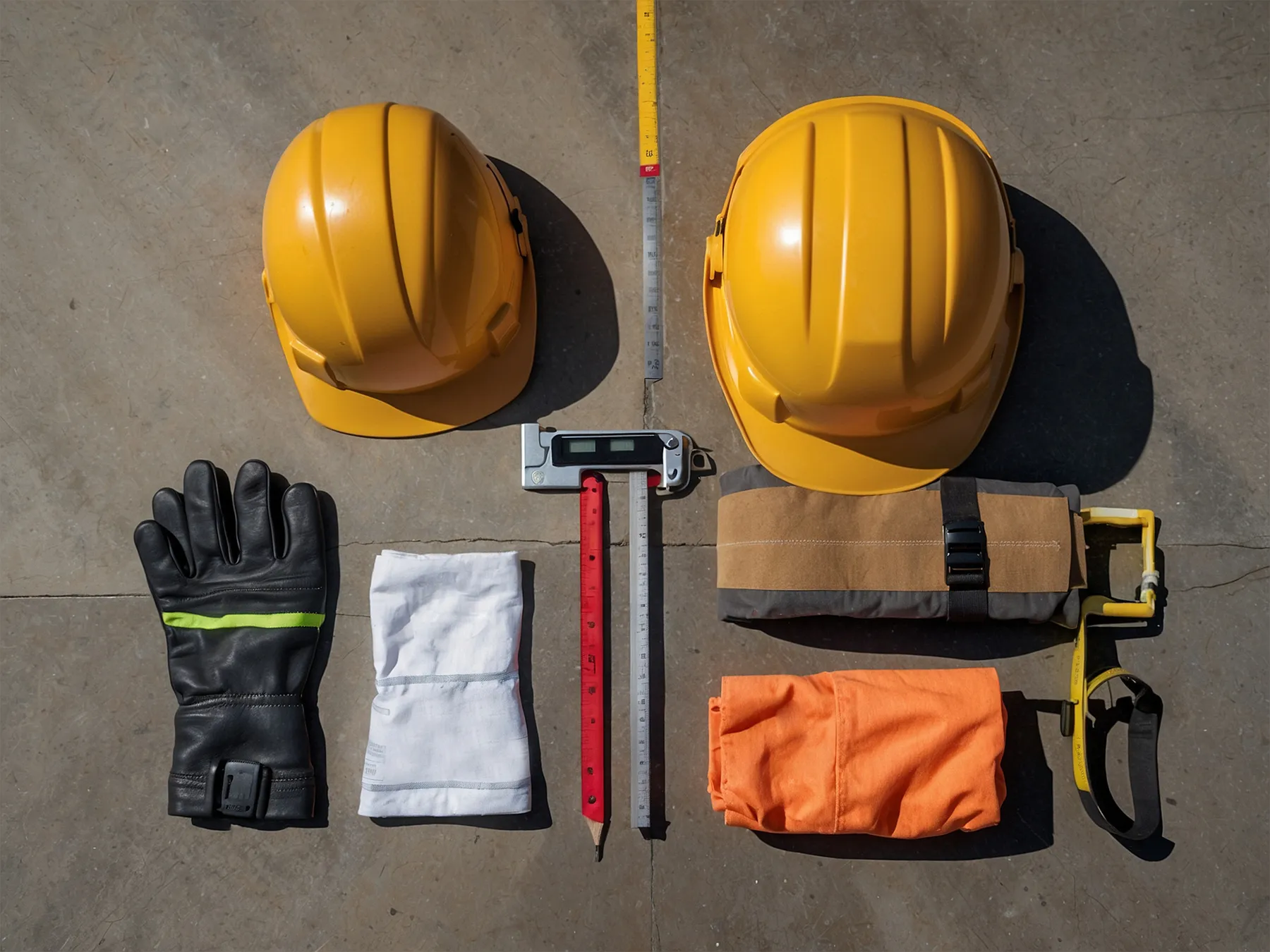
Article 3 of the regulation lists 6 main types (paragraph 1) and 3 additional types (paragraph 2), 9 in total. The table summarises function, examples and the reference standards commonly used.
| No | PPE type | Function | Examples | Common reference standard |
|---|---|---|---|---|
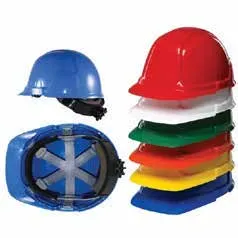
| 1 | Head protection | Protects the head from falling objects, impact and sharp objects | Safety helmet, hair cover | EN 397, ANSI/ISEA Z89.1 |
| 2 | Eye and face protection | Protects eyes and face from particles, splashes and radiation | Safety glasses, goggles, face shield | EN 166 |
| 3 | Hearing protection | Reduces noise exposure | Earplugs, earmuffs | EN 352 |
| 4 | Respiratory protection with accessories | Filters dust, fumes and vapours, or supplies clean air | Masks, cartridge respirators, breathing apparatus | EN 149, EN 140 |
| 5 | Hand protection | Protects hands from abrasion, cuts, heat and chemicals | Leather, coated fabric, rubber and chemical-resistant gloves | EN 388, EN 374 |
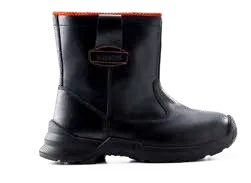
| 6 | Foot protection | Protects feet from falling objects, puncture, slips and electricity | Safety shoes, boots | EN ISO 20345 |
| 7 | Protective clothing | Protects the body from heat, spatter and chemicals, or improves visibility | Coveralls, aprons, jackets, vests | EN ISO 20471 for hi-vis |
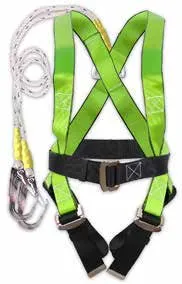
| 8 | Personal fall protection | Arrests and stops a worker falling from height | Full body harness, lanyard, safety rope, descender | EN 361, EN 355 |
| 9 | Buoyancy aids | Keep a worker afloat in water | Life jacket, life vest | Per maritime safety requirements |
The regulation’s annex details each type and its function.
1. Head protection
The safety helmet is the best-known item of PPE. Choose an unvented helmet for electrical work and one with a chin strap for work at height. See the safety helmet guide.
2. Eye and face protection
Safety glasses for light particles, goggles for fine dust and liquid splashes, and face shields for grinding or chemicals. A face shield should be worn over safety glasses.
3. Hearing protection
Permenaker No. 5 of 2018 sets the noise threshold limit value at 85 dBA for an 8-hour daily exposure. Above that, workers need hearing protection. Earplugs are light and low cost; earmuffs are quick to put on and take off.
4. Respiratory protection
Particle masks for dust, half-mask respirators with cartridges for organic vapours or certain gases, and supplied-air breathing apparatus for confined spaces or oxygen-deficient atmospheres. Match the filter to the contaminant, not just to how thick the mask looks.
5. Hand protection
No glove suits every job. Leather gloves for rough material and rigging, cut-resistant gloves for plate and glass, chemical-resistant gloves for solvents and acids. The EN 388 code on the label shows mechanical resistance levels.
6. Foot protection
EN ISO 20345 safety footwear has a toecap tested to a 200 J impact. Classes S1, S1P and S3 add further features. See the safety shoe guide.
7. Protective clothing
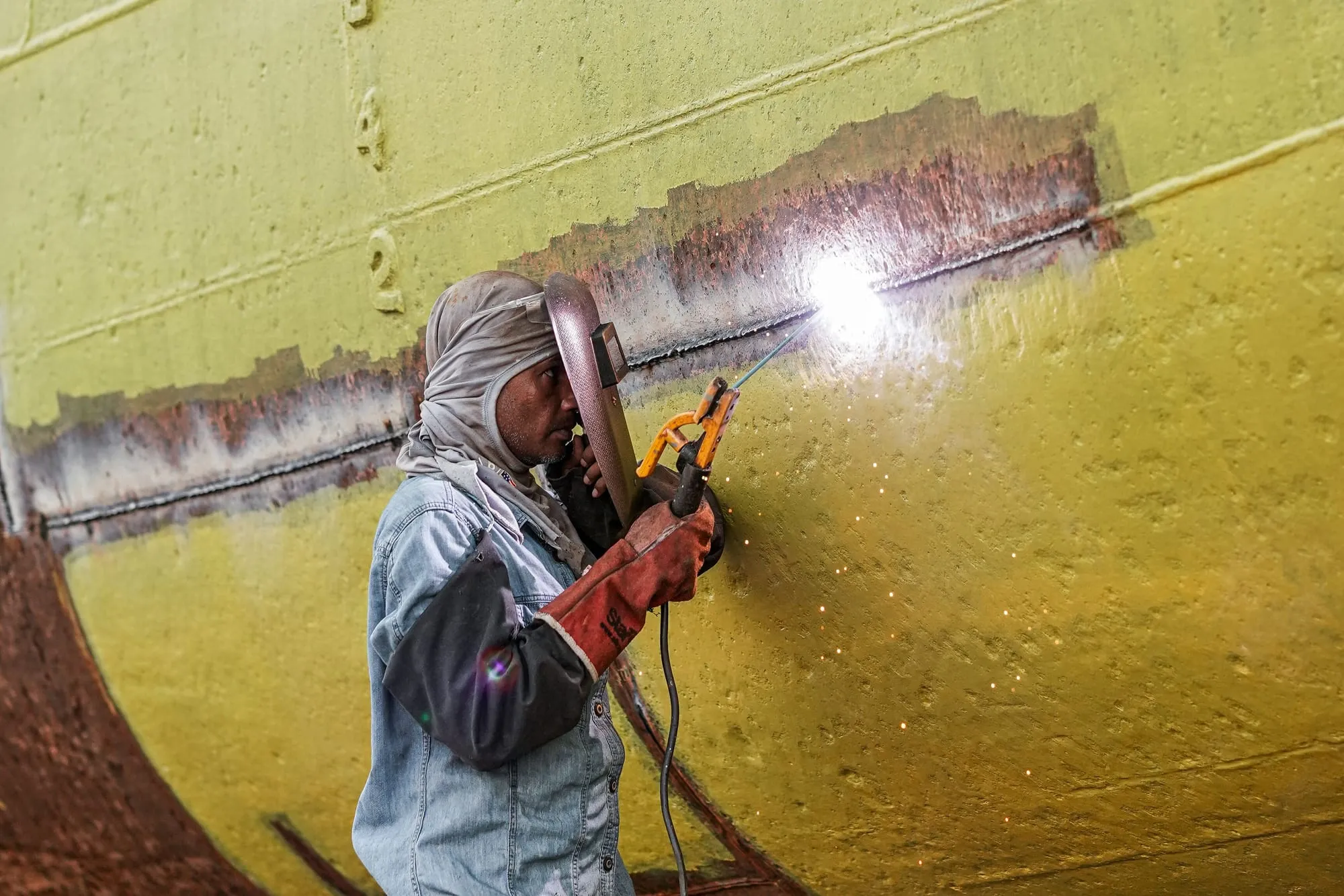
Coveralls for workshop and field work, leather aprons for welding, and reflective vests where vehicles or heavy plant operate.
8. Personal fall protection
A full body harness, a lanyard with energy absorber and an anchor point work as one system. Learn how to choose and inspect them in the EN 361 full body harness guide.
9. Buoyancy aids
Life jackets or life vests are worn when working over or near water, such as on jetties, barges and in shipyards.
Employer and worker duties on PPE
| Party | Duty | Article |
|---|---|---|
| Employer | Provide PPE to workers at the workplace | Article 2(1) |
| Employer | PPE must meet SNI or applicable standards | Article 2(2) |
| Employer | Provide PPE free of charge | Article 2(3) |
| Employer or management | Announce PPE requirements in writing and post signs | Article 5 |
| Employer or management | Manage PPE: needs assessment, selection, training, use, maintenance, storage, disposal, inspection and evaluation | Article 7 |
| Workers and anyone entering the workplace | Wear PPE suited to the hazards and risks | Article 6(1) |
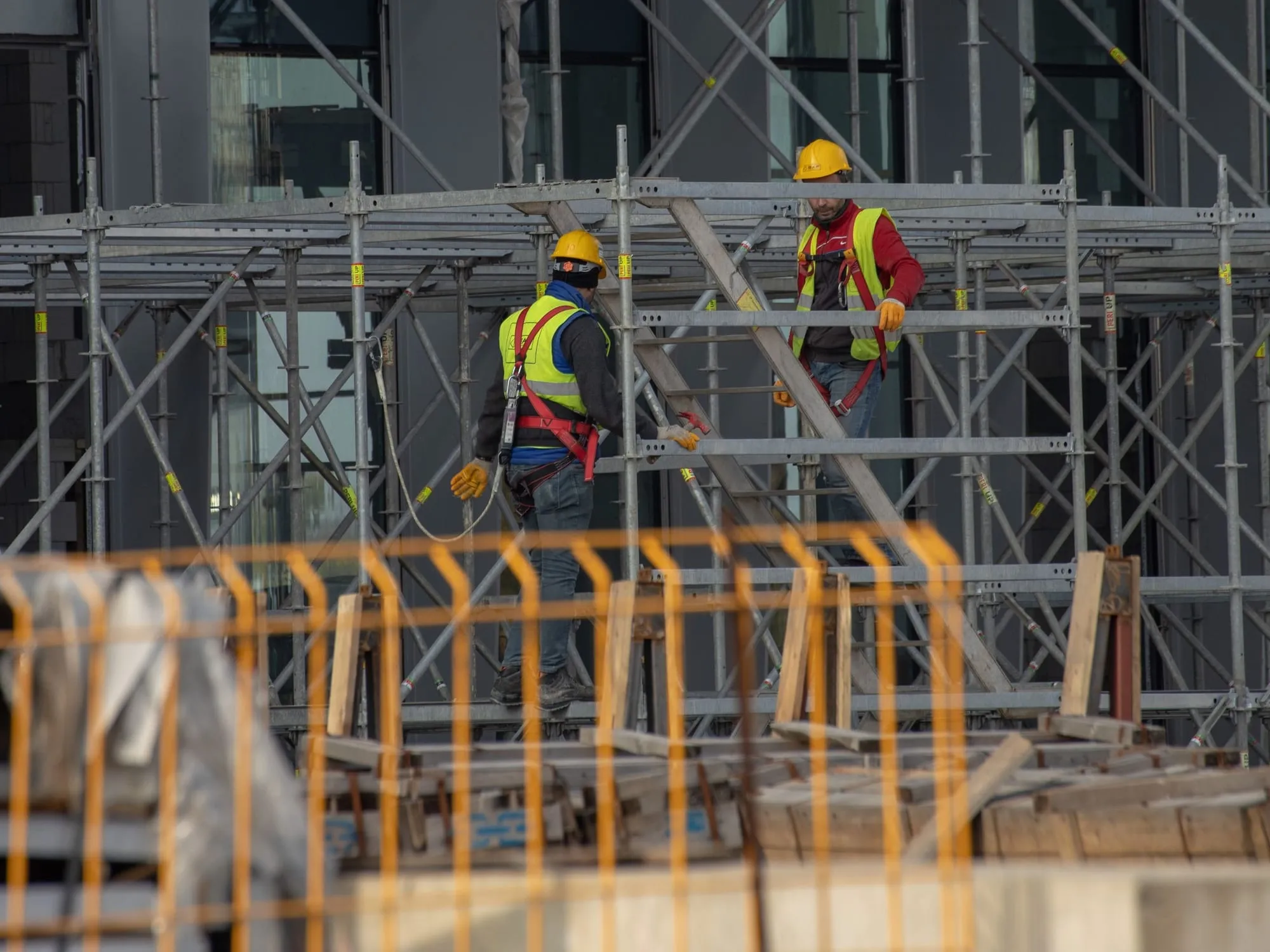
Article 4 also lists workplaces where PPE is mandatory, including construction, work at height, confined spaces, loading and unloading, diving, mining, and workplaces with flammable, toxic or corrosive materials, or exposure to heat, dust, radiation, noise and vibration.
How to choose PPE by hazard
- Identify hazards by area and job type.
- Choose the PPE type from the table above for each hazard.
- Check the standard on the label or product documents, such as EN 397 for helmets or EN 388 for gloves.
- Get the fit right so it is comfortable for a full shift. Uncomfortable PPE tends to be taken off.
- Check compatibility, for example earmuffs mounted on a helmet, or glasses that fit under a face shield.
- Train workers to wear, maintain and check their PPE.
- Inspect and replace damaged PPE. Article 8 requires PPE that is damaged, cracked or not working properly to be discarded or destroyed.
For PPE by job type, see the mandatory PPE checklist for construction and shipyards.
PPE available at Avenix Batam and Bintan
Avenix supplies PPE for projects, factories and shipyards in the Riau Islands, for example:
- The SNI-marked NSA Warden safety helmet in six colours.
- Delta Plus Brava2 safety glasses in four lens options.
- Corded Ultrafit ear plugs with a storage box.
- The King’s KWD301 mid-cut lace-up safety boot with steel toe.
- The GoSave FBH Eco full body harness with 2 lanyards.
Browse every category under personal protective equipment, including safety gloves, respiratory protection and safety clothing. Products can be seen at the Avenix stores in Batam and Bintan.
How to order PPE
- Build a PPE list per worker with the PPE kit builder.
- Collect shoe and glove sizes with the size guide.
- Note quantities, required standards, helmet or vest colours and the delivery address.
- Send it through Request a Quote. Availability and timing are confirmed in the quotation.